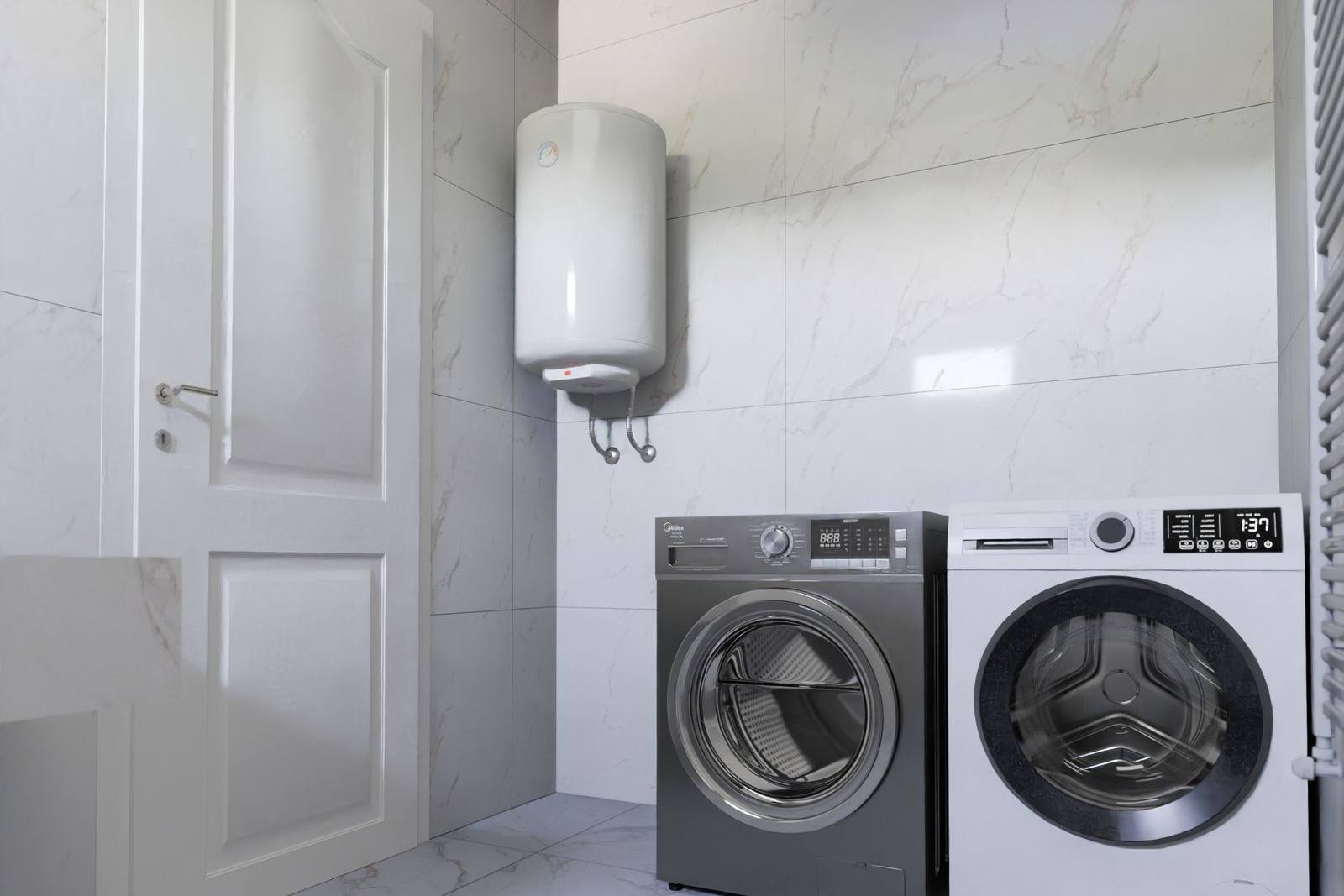
Water heater maintenance in Sacramento
A water heater is one of the few appliances in a home that works every day and gets ignored until it fails. Maintenance is the difference between a heater that lasts 8 years and one that lasts 12 — and in Sacramento, where the local water and climate work against the heater, it matters more than in most places.
Sacramento's city water is moderately hard — the City of Sacramento's reports put average hardness around 63–83 parts per million, about 4–5 grains per gallon, drawn mostly from the American and Sacramento rivers. Well-blended supplies in parts of the county test harder. Even at the moderate end, that is enough mineral load to build scale in a tank or a tankless heat exchanger over a few years.
Sacramento summers are long and hot, regularly past 100°F, and many heaters sit in garages or attics that bake all summer. Winters are mild and wet, with occasional frost. California also requires water heaters to be secured with seismic strapping, so any replacement here involves strapping and bracing.
What a tune-up includes
- - Flushing the tank. Sediment is drained out through the bottom valve. In hard-water areas this is the single most valuable item on the list — sediment insulates the water from the burner or element, makes the heater work harder, and causes the popping noise many owners hear.
- - Anode-rod check. The anode rod is a sacrificial metal rod inside the tank that corrodes so the tank does not. Once it is gone, the tank itself starts rusting. Checking it once a year and replacing it when it is worn out is the cheapest life extension a tank heater has.
- - Relief-valve test. The temperature and pressure relief valve is the heater's safety device. It should be tested to confirm it opens and closes properly.
- - Inspection. The provider checks for corrosion on fittings and connections, venting problems, gas leaks, and signs of a tank starting to fail — rust streaks, dampness at the base, or a pilot that struggles.
For tankless units, maintenance means descaling the heat exchanger — usually once a year, more often where the water is hardest — plus cleaning the inlet filter and checking the condensate drain.
How often?
Once a year is the right interval for most homes in Sacramento. Homes with very hard water, or with a tankless unit, should not stretch it longer. A heater that has never been flushed and is already past ten years old may not benefit much from a first flush — heavy sediment that has hardened cannot always be removed, and in rare cases flushing an old, neglected tank exposes a leak that the sediment was plugging. A provider should be honest about that before starting.
Maintenance or replacement?
Maintenance extends a heater's life; it does not restore one that is already failing. If the tank is leaking, if the water is rusty from the tank itself, or if the heater needs a major part at 10–12 years old, replacement is the better spend. See the replacement page for how that decision works.
Frequently Asked Questions
How much does maintenance cost?
It depends on the heater type and what is found. A basic flush and inspection is the least expensive service a water heater ever needs, and it is far cheaper than an emergency replacement. The provider who responds gives the price before work starts.
Can I flush my own water heater?
A homeowner can flush a tank heater with a garden hose and basic care, but the relief valve, anode rod, and gas or electrical work should be left to a provider. If you are not comfortable with any step, do not start.
Does maintenance really extend the life of a heater?
Yes — flushing and anode-rod replacement are the two items with the clearest effect on tank life, especially where the water is hard. They do not make a heater last forever, but they reliably add years.
Which areas do you cover?
Sacramento and the other cities on the service area page — 132 ZIP codes in total.